
海外で仕入れをするということ
― 私たちは、現場を知らずに仕事はしない ― |
|
私たち太平洋貿易にとって、 海外で仕入れをするという行為は、 単に「モノを買い付ける」ことではありません。 価格表を見て、条件を交渉し、 効率よく商品を動かす。 それだけで完結する仕事なら、 正直、現地に行く必要はないと思っています。 私たちは、必ず現場へ行きます。 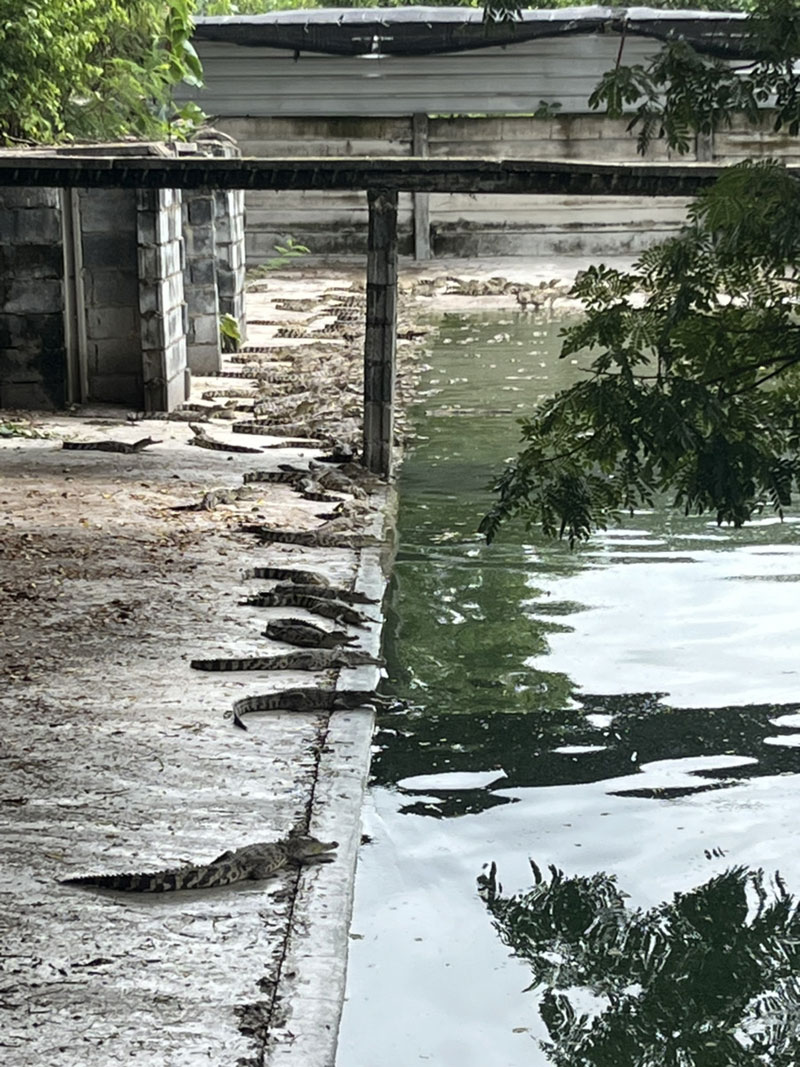 どんな人が、その素材に向き合っているのか。
どんな道具を使い、 どんな環境で、 どんな思いを持って仕事をしているのか。 それを知らずに仕入れた商品に、 責任を持つことはできないからです。 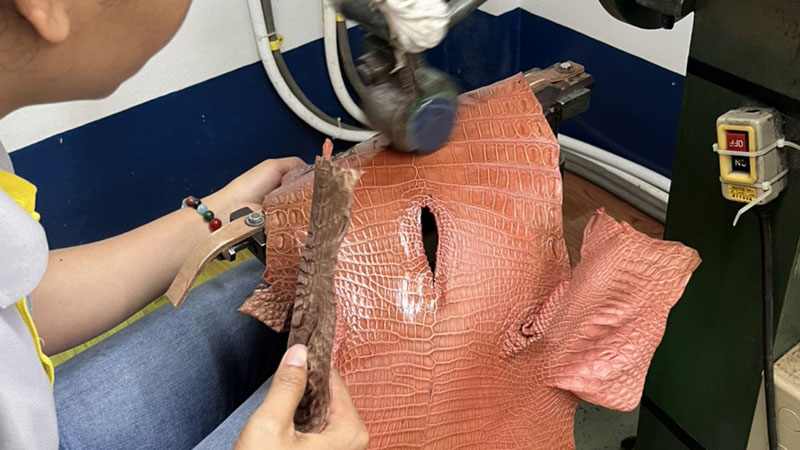 現場では、質問が尽きることはありません。
製作工程の細かな判断、 品質をどこで、どう担保しているのか。 なぜそのやり方を選んでいるのか。 ときには、 「そこまで聞くのか」と思われることもあるでしょう。 しかし、その多くの問いは、 日本に戻ってから、確かな意味を持ち始めます。 現場で感じた空気、 職人の表情、 仕事に向き合う姿勢。 それらが、 社内の判断や、品質への基準、 そして次の一歩を踏み出す力になるのです。 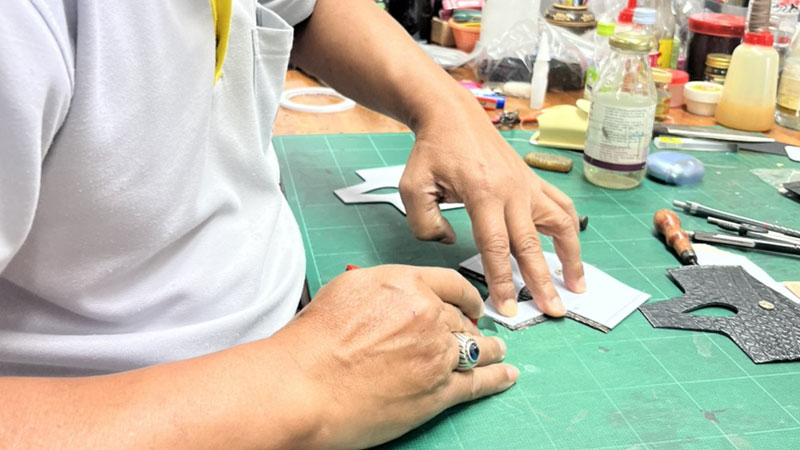 メーカー側の経営陣は、
気を遣って豪華な食事を用意してくださることがあります。 そのお気持ちはありがたいものですが、 私はできる限りそれを遠慮し、 職人たちと同じ食堂で、同じものを食べるようにしています。 これは、 世界を旅してきた中で身についた、 私なりのやり方です。 同じものを食べ、 言葉を学び、 相手の国と、その人自身を尊重する。 そうすることで、 言葉以上に多くのことが伝わると感じています。 こうした関係性が、 すぐに数字として表れることは、ほとんどありません。 ですが、 仕事が思うように進まないとき、 判断に迷うとき、 最後に背中を押してくれるのは、 「この人たちの仕事を、いい加減に扱うわけにはいかない」 という、ごくシンプルな感情です。 完成品だけを見ていると、 作り手の温度感は、どうしても見えなくなります。 その結果、 仕事はただの作業になり、 やがては、単なる物売りになってしまう。 太平洋貿易は、 その道を選びません。 海外で仕入れをするということは、 世界と向き合うことです。 文化の違いに戸惑い、 効率の悪さに苛立ち、 思い通りに進まない場面も多くあります。 それでも、 現場に立ち、相手を理解しようとすることに 価値を見出せる人にとって、 この仕事は、きっと面白い。 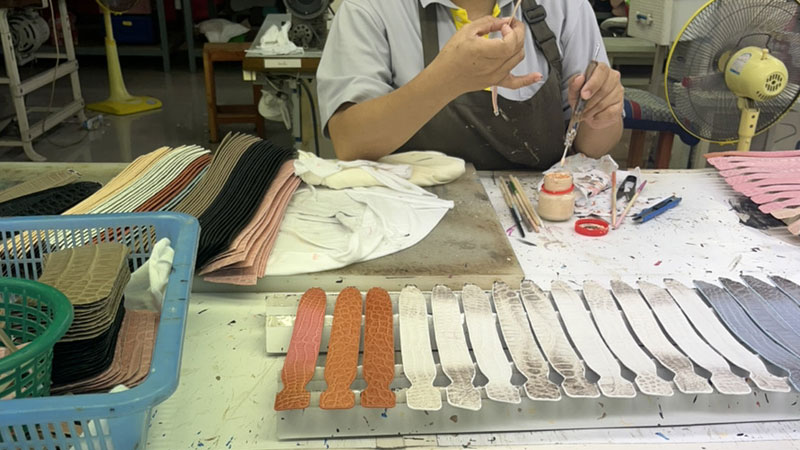 私たち太平洋貿易は、
これからも海を越え、 職人たちと向き合い続けます。 温度感のある仕事を、 温度感のある商品として、 世の中へ届けるために。 |
— We Don’t Do This Work Without Knowing the People and the Place — |
|
For us at PACO, sourcing overseas is not simply a matter of “buying goods.” You can look at a price list, negotiate terms, and move products efficiently. If that were all this job required, to be honest, we don’t think there would be any need to travel there in person. But we always go to the site. Who is facing that material every day? What tools do they use— in what environment— and with what kind of mindset do they work? Because without knowing those things, we cannot take responsibility for what we bring back. On site, our questions never run out. The small decisions made throughout the production process, where and how quality is ensured, and why they choose to do things the way they do. Sometimes, people may think, “Do you really need to ask that much?” But many of those questions begin to carry real meaning only after we return to Japan. The air we felt on site, the expressions on the artisans’ faces, the way they carry themselves toward their work— All of that becomes a foundation for decisions within our company, for our standards of quality, and for the strength to take the next step forward. At times, the management on the manufacturer’s side will kindly prepare an extravagant meal for us. We truly appreciate the gesture, but whenever possible, I respectfully decline— and choose instead to eat the same food, in the same cafeteria, as the artisans. This is my own way— something I’ve come to practice through years of traveling the world. Sharing the same meals, learning the language, and respecting the country and the person in front of you. When we do that, we feel that far more is communicated than words alone can convey. This kind of relationship rarely shows up immediately as numbers. And yet, when work isn’t going as planned, when we hesitate over a decision, what ultimately pushes us forward is a very simple feeling: “We can’t treat these people’s work carelessly.” When you look only at the finished product, the warmth of the maker inevitably becomes invisible. And as a result, the work turns into mere tasks— and eventually into nothing more than selling things. PACO will not choose that path. To source overseas is to face the world. There are many moments when we feel lost in cultural differences, frustrated by inefficiency, and stuck in situations that don’t go the way we want. Even so— for those who can find value in standing on site and trying to understand the other person, this work is sure to be fascinating. We at PACO will continue to cross oceans and keep facing our artisans, always. To deliver work with warmth— as products with warmth— to the world. |